
Best Effluent Treatment Plants (ETP) and Sewage Treatment Plants (STP) Plant in
West Bengal
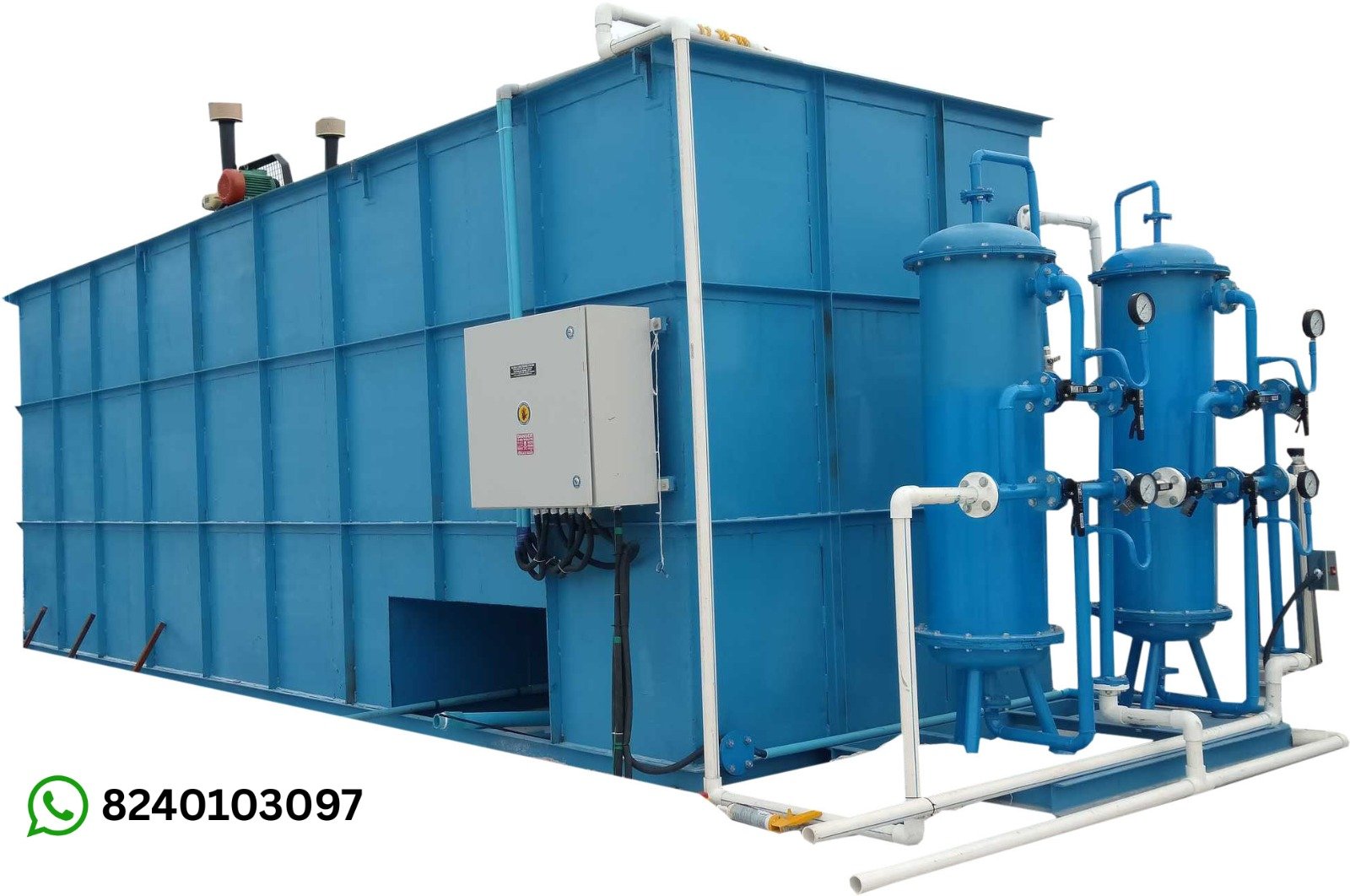
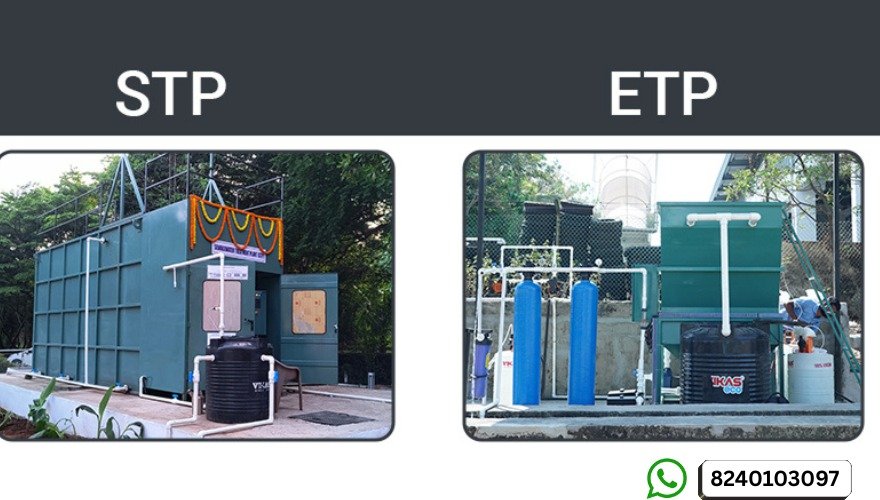
Effluent Treatment Plant (ETP) & Sewage Treatment Plant (STP)
Effluent Treatment Plants (ETP) and Sewage Treatment Plants (STP) are essential wastewater treatment systems designed to remove pollutants and protect the environment.
ETPs treat industrial wastewater containing chemicals, dyes, oils, and heavy metals, while STPs treat domestic sewage from toilets, kitchens, and laundry. Both systems ensure regulatory compliance and enable safe disposal or reuse of treated water.
Effluent Treatment Plant (ETP)
Industrial Waste Treatment
Removes toxic chemicals, heavy metals, dyes, and industrial contaminants from wastewater.
Removes toxic chemicals, heavy metals, dyes, and industrial contaminants from wastewater.
Chemical Treatment Process
Uses coagulation, flocculation, and neutralization to break down hazardous substances.
Uses coagulation, flocculation, and neutralization to break down hazardous substances.
Industrial Applications
Used in textile, pharmaceutical, chemical, and food processing industries.
Used in textile, pharmaceutical, chemical, and food processing industries.
Effluent Reuse
Treated water can be reused in industrial operations or safely discharged.
Treated water can be reused in industrial operations or safely discharged.
Sewage Treatment Plant (STP)
Domestic Wastewater Treatment
Treats sewage from toilets, kitchens, bathrooms, and laundry systems.
Treats sewage from toilets, kitchens, bathrooms, and laundry systems.
Biological Treatment
Removes pathogens, organic waste, and harmful bacteria through biological processes.
Removes pathogens, organic waste, and harmful bacteria through biological processes.
Common Applications
Used in residential societies, commercial complexes, hospitals, and hotels.
Used in residential societies, commercial complexes, hospitals, and hotels.
Water Reuse
Treated water can be reused for landscaping, gardening, and cleaning.
Treated water can be reused for landscaping, gardening, and cleaning.
Key Differences Between ETP & STP
Waste Type
ETP treats complex industrial effluent while STP treats biodegradable domestic sewage.
ETP treats complex industrial effluent while STP treats biodegradable domestic sewage.
Treatment Method
ETP uses chemical and physical processes, whereas STP mainly uses biological treatment.
ETP uses chemical and physical processes, whereas STP mainly uses biological treatment.
Regulatory Compliance
Both systems must follow environmental standards to avoid penalties.
Both systems must follow environmental standards to avoid penalties.
Environmental Protection
Helps reduce pollution and supports sustainable water management.
Helps reduce pollution and supports sustainable water management.